
Modest Elevations, Great Escalations
A Minor Incident of Major Proportions
Why is it always sunny at home before you set off?
A forty-five-minute drive and everything can change. The problem with the weather forecast is that it is not three-dimensional. A few shapes covering a map of the UK tell you very little about what’s happening several hundred feet up in the hills.
Of course, dealing with a fluctuating microclimate at altitude is nothing new to anyone who’s lived on the eleventh floor of a tower block. Years of scaling considerable heights, largely assisted by a lift, should provide a reasonable foundation for scrambling over a few boulders.
Even the gift shop at your base camp (the car park) offers encouragement. The advice to ‘find your own path’, etched into a piece of reclaimed wood between the ornamental animals and novelty gin glasses, surely has some wisdom behind it.
Or maybe it was just the exit sign.
You’ve read somewhere that a proper climber studies the route from the ground, examines the face, works out the moves and makes the ascent cleanly on the first attempt. No instructions, no assistance. Just instinct and judgement.
Here, there is a marked route. It says go left, but that doesn’t sit right.
Your internal compass, finely tuned through years of questionable decisions, insists otherwise. And off you plod, along an untrodden verge of patchwork greens and browns, scattered with loose stones and patches of moss. Ahead, several rocks appear to balance on the edge of a precipice.
As you get higher, something in the distance sounds remarkably like a car alarm. The wind resembles motorway traffic. And deep below, is that a river babbling away, or a raging torrent?
Difficult to tell when you’re in the danger zone.
Despite everything going on in the world, up here it all feels rather insignificant. Standing proud like a silverback surveying the dancefloor from a podium, there’s a strange sense of contentment. You reach a peaceful, contemplative place where the world has gone quiet and there’s nowhere else you need to be.
Until a mist settles among the trees like a faulty smoke machine.
Slowly, it swallows the landscape, then what remains of the destination. Your own fortress of solitude, built entirely from misplaced confidence and poor visibility, begins to crack.
One minute you’re contemplating the beauty of existence. Next, everything looks different. The ground seems to have disappeared, and even turning back feels less straightforward than it did a few minutes ago.
Somewhere between accepting your own mortality and wondering whether you’ve remembered to put the bins out, another thought occurs.
How will people remember you?
You hold your phone above your head, turning it slowly in circles, searching for a signal. Surely, at this altitude, you’re practically within kissing distance of the satellites? At least they’ll discover your frozen body years later, clinging heroically to the rock face. There’ll be newspaper coverage. A memorial walk. Maybe even a blue plaque.
Then, in the distance, something appears. You squint to get it into focus.
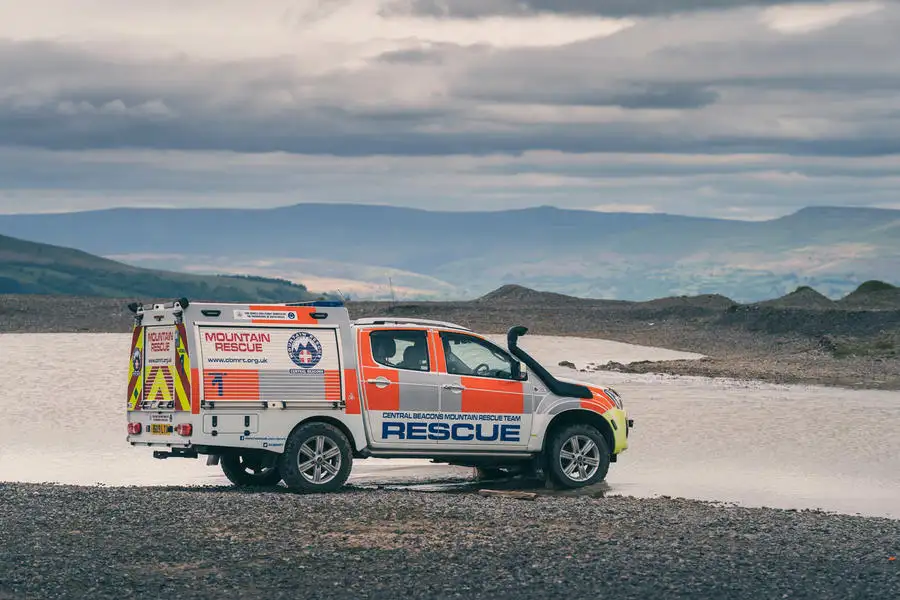
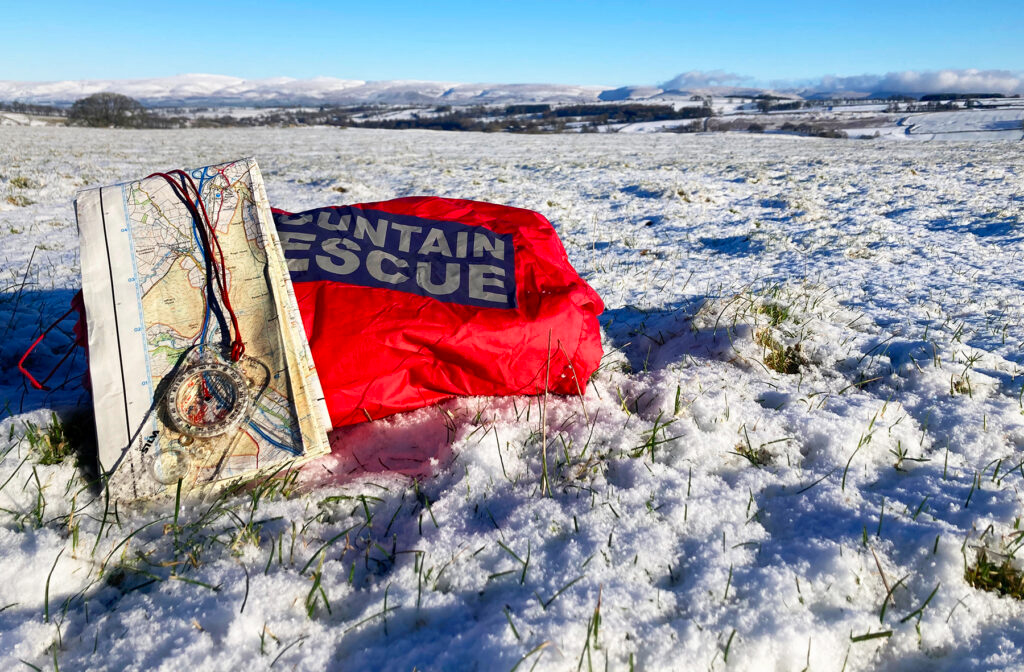
A flash of colour. A flag… “MOUNTAIN RESCUE”.
Extraordinary. That without a call, distress signal or even knowing where to look, they’ve found you. Such professionalism.
Everything gradually comes into view. A dog paddling in a stream. A family sitting at a picnic bench. The rustle of a share bag of crisps. Then, the car park. And beneath an awning, where Mountain Rescue volunteers are chatting to passing walkers beside an information stand.
All eleven feet below.
Not a rescue operation being mounted, then.
A careful descent, a quick adjustment of the haversack and a casual wander over to the stand seems appropriate.
It turns out that Mountain Rescue volunteers do considerably more than retrieve people from precarious positions.
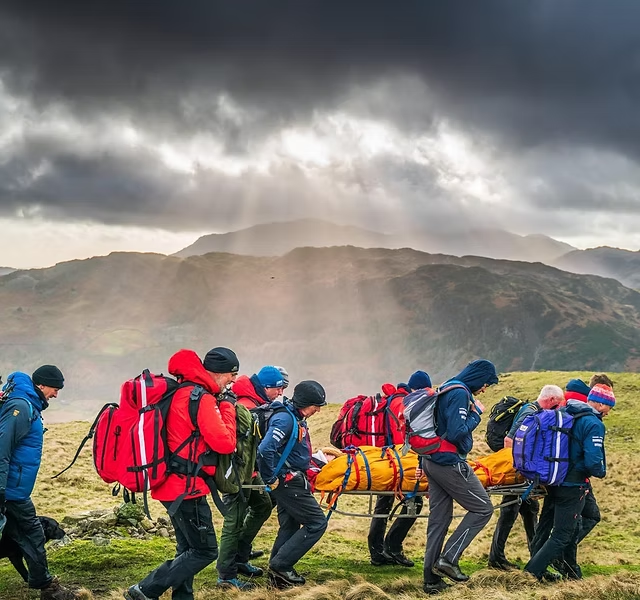
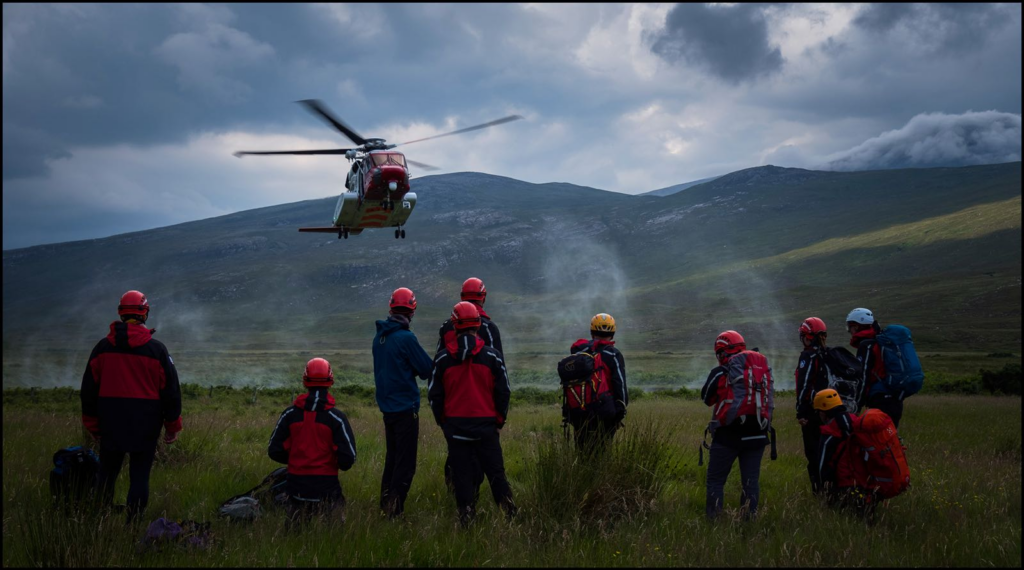
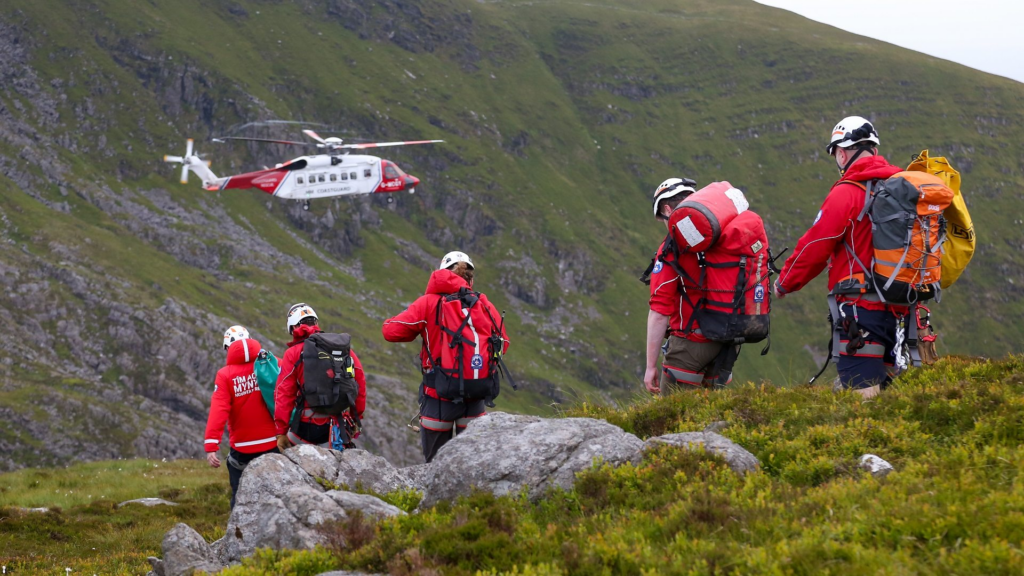
Across England and Wales, volunteer teams respond to emergencies involving walkers, climbers and missing people, often in difficult terrain and challenging conditions. Their work requires specialist training, equipment and considerable commitment.
After a brief conversation, you consider asking about volunteering. After all, experience in the field must count for something.
—
To find out more about their work and other ways to help: donating, fundraising and supporting local teams visit Mountain Rescue England and Wales at mountain.rescue.org.uk

Leave a Reply