OL-Q&A: Getting down to business with Dylan Lynch
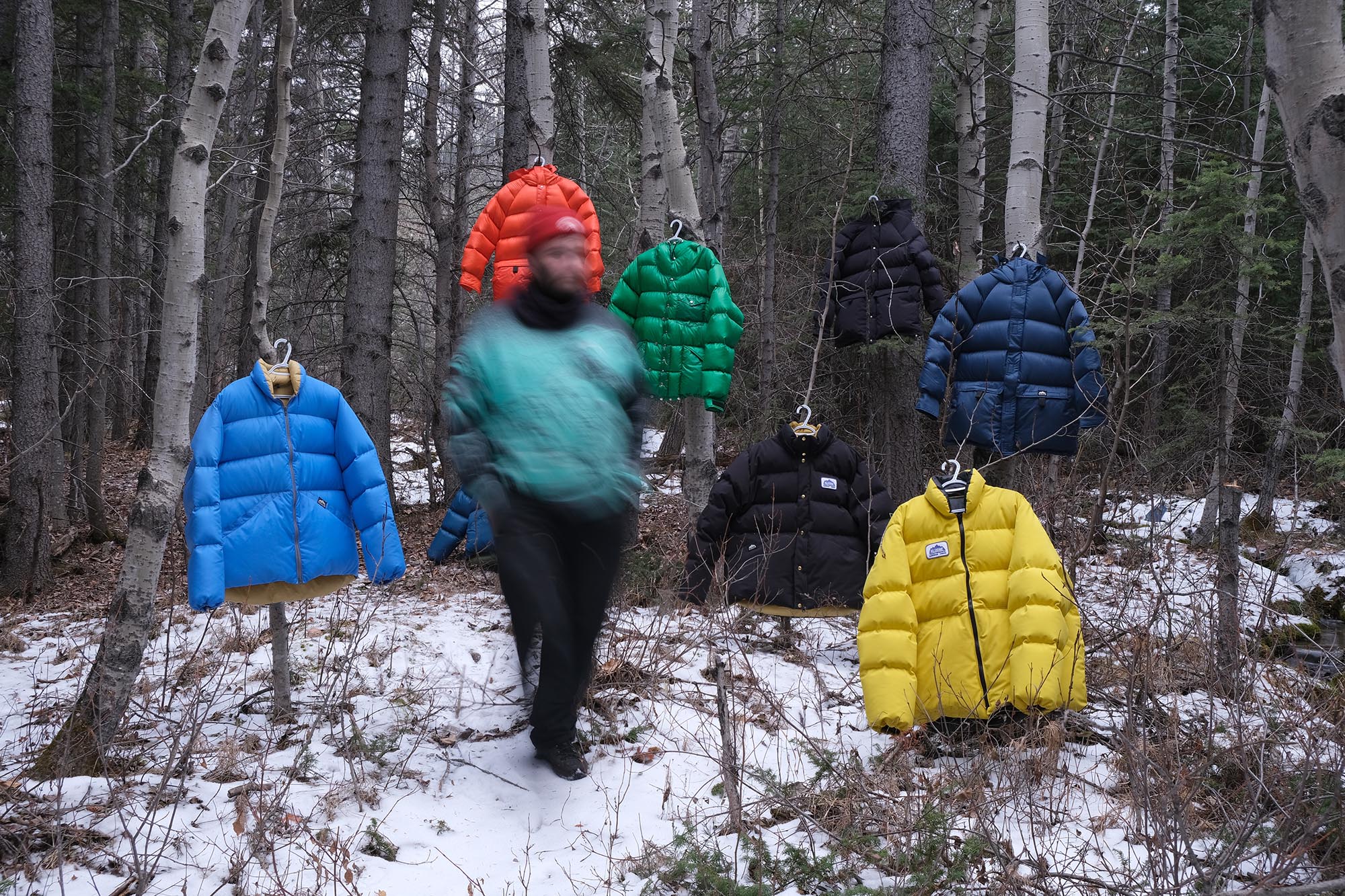
In a world of mass consumerism and AI nonsense brands that choose to go against the grain like Kluane Mountaineering, really do help to retain our faith in the outdoor industry. Kluane is keeping it real, like really, really real, so out of respect, admiration and our insane amount of love for their highly desirable down products we decided to ask their head honcho Dylan some probing questions.
Where does the name Kluane come from?
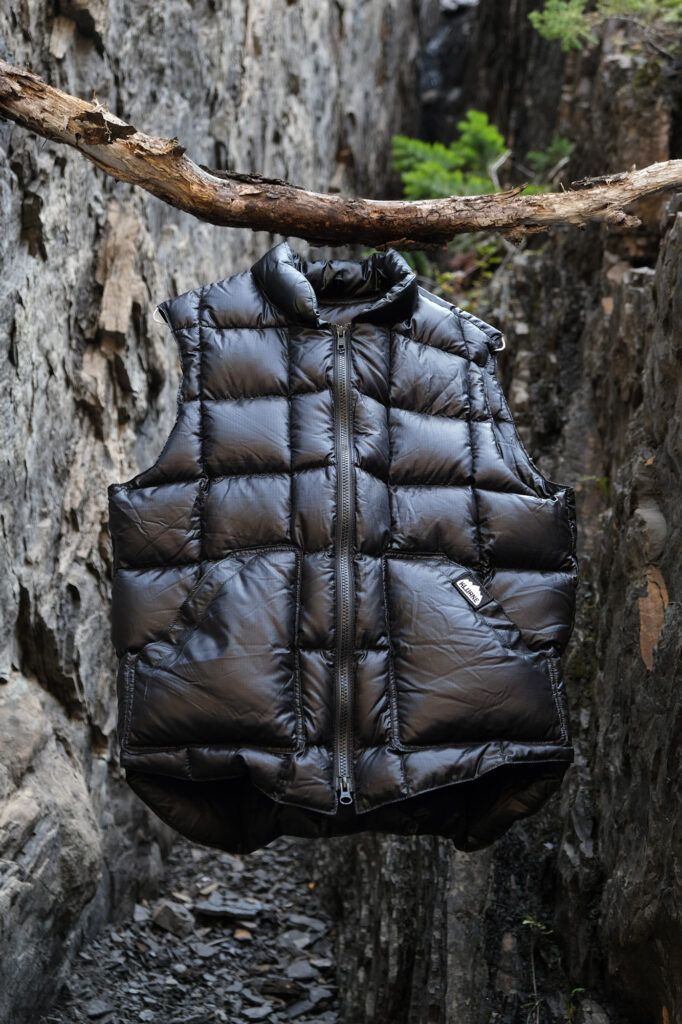
Kluane National Park is a Canadian National Park in the southwest of Yukon, a territory of Canada. It was established in 1972 which, surprise, is the year that Kluane Mountaineering was established. So the name Kluane Mountaineering was connected to that park. One of the founders, John Faulkner, had ties to Yukon in Canada, and after he left Kluane in the early 80’s, he became a judge in Whitehorse, Yukon for 30 years, and still lives there today.
Your love of Winter camping is what first drew you to Kluane, first off can you explain the attraction of camping out in minus 30 degrees and secondly can you describe the day you discovered the Kluane HQ?
Camping in -30C is more like a battle than a camping trip. I’m always stunned that I’ve been able to bring groups of 4-5 people on during these weekends, because it’s not going to be fun in the way that car camping can be fun. It’s more like a stress test… the opponent is “the air”, rather than “I hope we get a good view, have enough beers, and can’t hear any yuppies with generators playing Imagine Dragons on their Bose speaker”. It’s an activity that you go out to do to prove you can do it, and there’s a weird kind of pride in surviving together and still being able to laugh and hang out. The best part about winter camping is not having to use a bug net or tarp with my hammock setup. There is nothing but air between our faces and the stars, which is pretty magic.
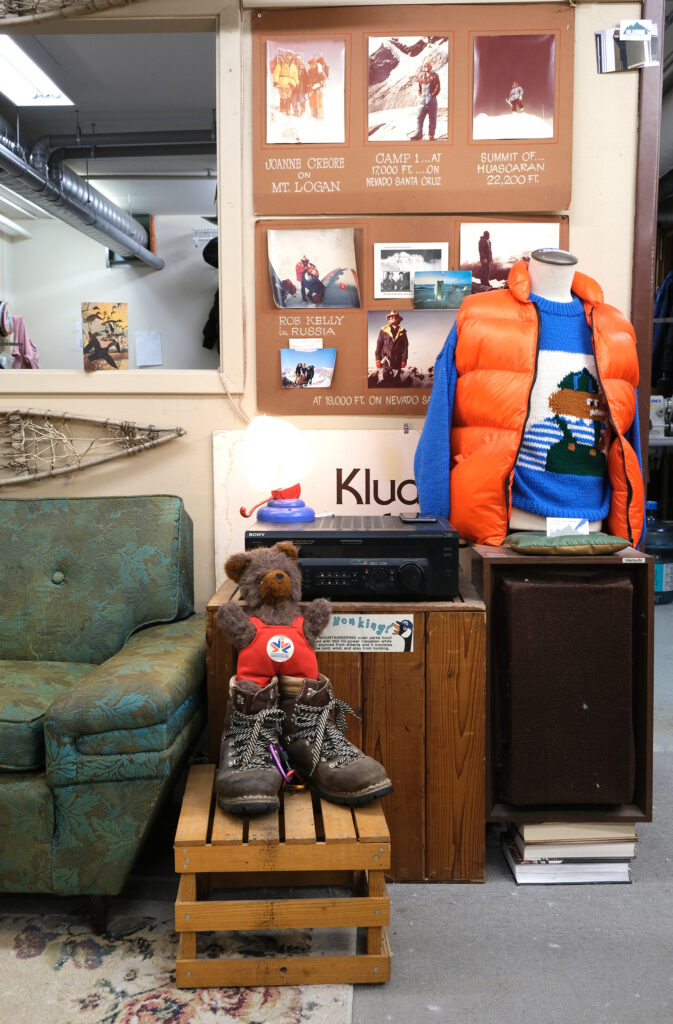
One of the most important details of these weekends is the gear you have, and after one weekend in my “-40C rated arctic bag with synthetic fill” I thought that this was the biggest vulnerability I had in my setup. After some googling, I found out about Kluane Mountaineering by reading some hunting message boards and low and behold: this Kluane place that kept coming up was 9 minutes from my apartment. I visited Betty immediately and absolutely fell in love. There was no thought given to aesthetic presentation, no prices, no sizing, no tags, no nothing. She was still taking payments on a credit card imprint sliding machine like I saw when I was 10 years old. There were postcards from Everest, signed photos from the North and South Pole, snowshoes from the 1930’s, and just a single woman sewing quietly in the back. She didn’t even really host you when you came in, she was just head down at the Conway sewing machine from the 1960’s, in that classic industrial green finish. The place could not have more charm. I told my friends that night: “I am going to become friends with this woman, and I am going to run that place one day.”
What’s Edmonton like? Is it worth a visit? What kind of outdoor activities are popular up there?
Edmonton in the summer is one of the most energizing places you can be. I think it’s because people know how short the “nice” season is, so they really try to fit as much as they can into their summer days. It’s known as the “festival city”, and literally every weekend there is a new bustling festival to check out: The Edmonton Fringe Festival, the Edmonton Folk Music Festival, the Street Performers Festival, the Taste of Edmonton, Heritage Days, dozens more. If the Edmonton Oilers are in the playoffs, which they have been quite late into the hockey season for the past few years, the energy is unavoidable. Even people who don’t care at all about hockey get caught up in the playoffs, it’s such a unique feeling in the city during these times.
Edmonton is big on outdoor activities year-round because of its huge river valley trail system and long winters. In the summer, people spend a lot of time biking, running, kayaking, golfing, and camping in and around the city. The North Saskatchewan River Valley is especially popular for hiking, picnics, and paddleboarding. During winter, people love skating, skiing, snowboarding, snowshoeing, and fat biking, with many embracing the cold instead of avoiding it.
What is it that makes Kluane products so special?
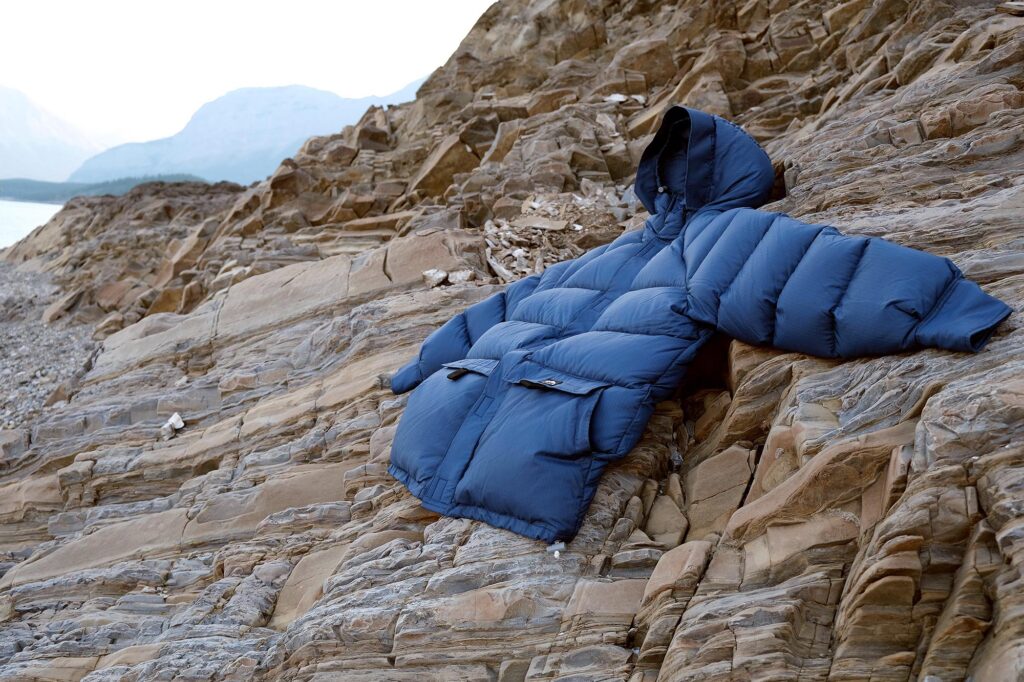
I think that the 54 years of experience we have making very few, specialized pieces is reflected in their effectiveness and longevity. We still have people come in weekly wearing or talking about their jackets that they bought in the 70’s and 80’s, they become like heirlooms to our customers. We really focus on “function as fashion”. Everything is made to last as long as possible, and our construction methods are specifically designed to allow for easy repairs should they ever be needed. A zipper might not last 40 years, but the important parts of the jackets will.
I also think that because we are still relatively small, we can make decisions on materials and construction methods that are perhaps slow or expensive but worth it to the customer. If you make 4000 pieces each year, the 15 minutes you save on each jacket by cutting a corner, or by not sewing a seam twice, makes a real difference to the bottom line. It’s the same with our materials. Sure, we could save $75 on each jacket by going with an imported down, or a lower quality down, but since our numbers are so small, it’s not a change that we would make to save a few dollars at the expense of our products’ reputation and our customers’ peace of mind.
The polar opposite of mass production, Kluane only sells three core products, none of which can be bought off the peg. How and why have you chosen this business model and what are the challenges of working this way?
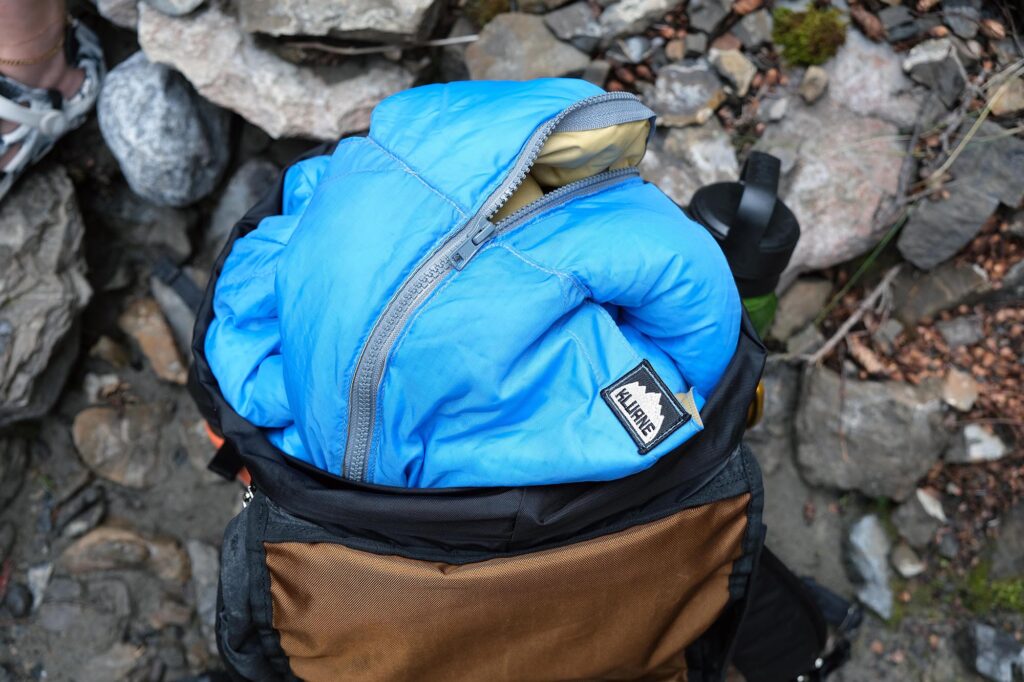
To be fair, I didn’t choose this business model, but it’s the business model that I fell in love with. I think that the value in this model is undeniable for our customers. We are specialists in one thing only, down filled jackets. When I buy shoes, I want them to come from a shoe-maker. When I buy jeans, I want them to come from a jeans-maker. Being obsessively particular about one thing only means that our effort, time, and attention is solely focused on that one thing. I was in a store last summer and saw that Canada Goose now has a bunch of different models of sunglasses for sale. I know that they have a shareholder to satisfy now, so I suppose you make money however you see fit, but I don’t see that as fit for Kluane Mountaineering.
The challenge is obviously that each one of our customer orders is made-to-order. This means that if someone wishes their armhole was 0.5” wider, then that’s how we cut it. If they want their jacket to be 4” longer, then that’s how we cut it. It would be a hell of a lot more simple and efficient to offer a standard size range where we could build 100 black inner parkas in S, M, L, XL and throw them online to buy, but that’s not how we’ve earned our reputation.
Also, there are some down boots featured on the site, are they something we can have made too?
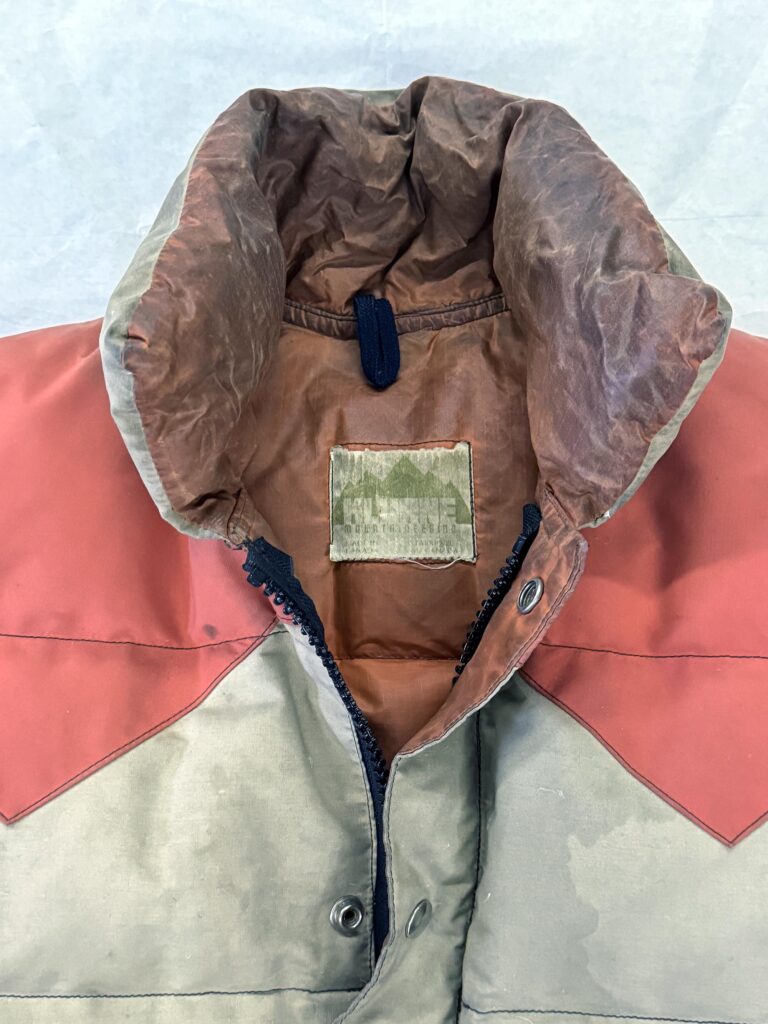
We do custom down booties! We ask for a trace of your foot and we’ll make them to fit you. These are essential pieces of kit for camping, especially in the winter.
Which do you prefer, a Kluane Inner or Outer parka? Have you ever worn them both together?
I think I prefer the outer parka, but I wear an inner parka FAR more often. The outer looks cooler, feels cooler, is a more “substantial” piece. But it’s a lot of jacket, especially for winters around the world that might not get as cold as Edmonton. It’s big, there’s a lot of down, way more pocket storage, and the hood is huge. But it’s not as versatile. If you have to drive a car, the hood can impede shoulder checking. If you are inside for a long time, it’s going to get too hot. The inner parka is simpler and easier to live with daily. The outer parka is a bit of a commitment.
Customised gear businesses often have some interesting stories, have there been any legendary or seriously unusual requests made from customers over the years?
The most recent was a special vest made for a customer’s brother who was going through dialysis and always felt cold while going through the process. We made him a vest where the shoulder seam and collar were all connected with velcro so that they could be opened up completely to free up his chest and shoulder area. Other standouts would be an almost comically long snorkel hood for an arctic photographer, it almost looked like an elephant trunk that could swallow up his camera. Another thing that I didn’t expect to get so many requests for is adjustable pregnancy coat extenders that can allow a pregnant woman to keep wearing their jacket as they change in size throughout their journey.
Can you remember the first jacket you had made by Kluane, what was it like?
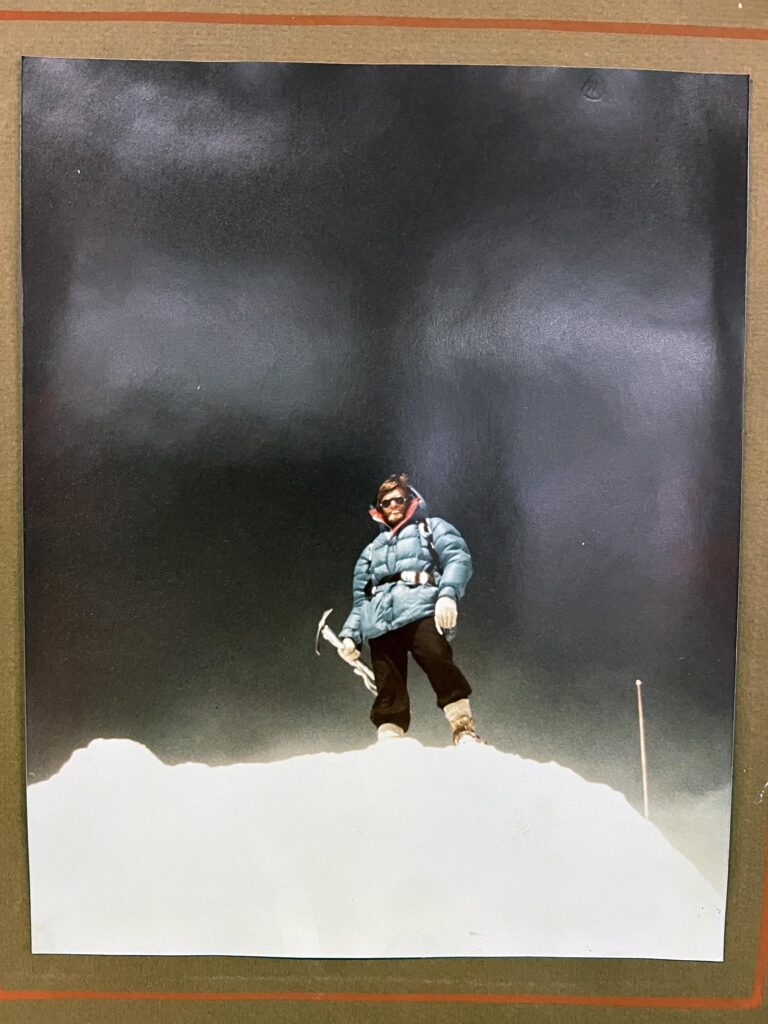
It was for myself, an inner parka in black waterproof breathable with a tan nylon lining, brass snaps, and a removable hood. The funniest part of this is that on the first jacket I made, the nylon lining was an old nylon that wasn’t very down-proof. I wore it for a while, and any time I wore anything dark underneath I would be covered in down when I took it off. Sometimes the nylon we used to get wasn’t finished properly and this would happen. I was convinced that it was an error on my part, I must have screwed it up somehow, so I stayed quiet and just wore the jacket with white tees underneath it. Then Betty told me that there was a big red piece of tape on this roll of fabric which she applied to warn herself that it wasn’t suitable, and I thought it was just scrap tape from shipping. We don’t use this nylon anymore.
Is there a typical Kluane customer? What is the split between someone who wants a piece of kit to keep them alive and someone who just wants to look absolutely amazing?
To be honest, we probably sell more to people who want to look cool while wearing something that is built to serious expedition grade. We used to do more work with people doing serious mountaineering treks, but a lot of that stuff is all sponsored by the big companies now. We’re just not in a position to give away jackets like this.
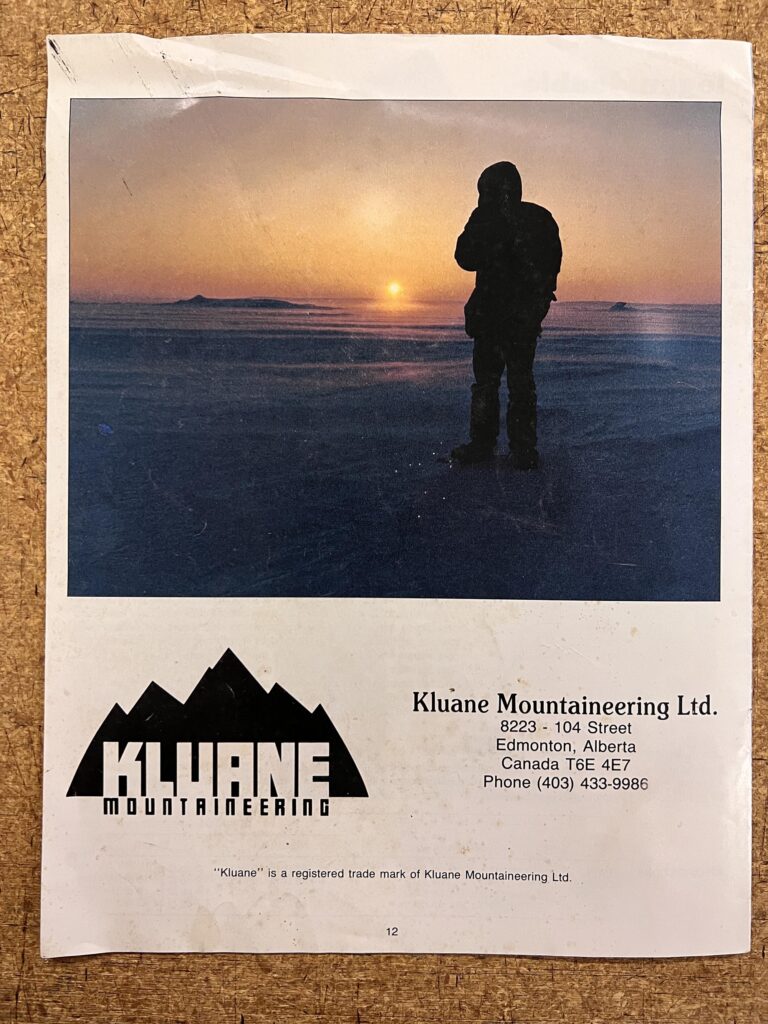
Becoming more of a custodian rather than a business owner, you took over the reins at Kluane around two years ago, what changes have you made over this time and what plans do you have for the future?
The biggest thing I’ve done is get it in front of more people. I knew Kluane was singular and charming, and I knew that the second someone comes into the shop, or even reads about it online, it’s pretty easy to fall in love with. I’m still being very careful to keep it true to what makes it special. We’ve spent zero dollars on marketing, branding, etc. There was just a bunch of low hanging fruit that we took advantage of right away. Things like starting an Instagram, having an email, taking wholesale seriously and making sure that we’re in the right spaces. These have all really supercharged our visibility and familiarity.
We’ve become more consistent in our materials since I took over too. It used to be kind of a mishmash of whatever fabric was available, maybe having 25 yards of each color, looking for deals on fabric and notions and bringing them in. We’re now getting all of our fabric from specialist fabric suppliers in Japan, Canada, and the USA. I want people to fall in love with a jacket in the store, save up for a little while, and still have exactly what they fell in love with available for them when they decide to make the purchase.
Did the OG owners Jim and John give you any advice?
I’ve been in touch with both of them, John over email and Jim in real life. They’ve both been really enthusiastic and excited that Kluane is still going. It’s been many decades since either has been involved in the business, they both went on to very successful careers in the law world as a judge and a lawyer. They’ve both shown their appreciation for how the business still feels like a small, cottage industry sort of thing, and I don’t plan on changing this.
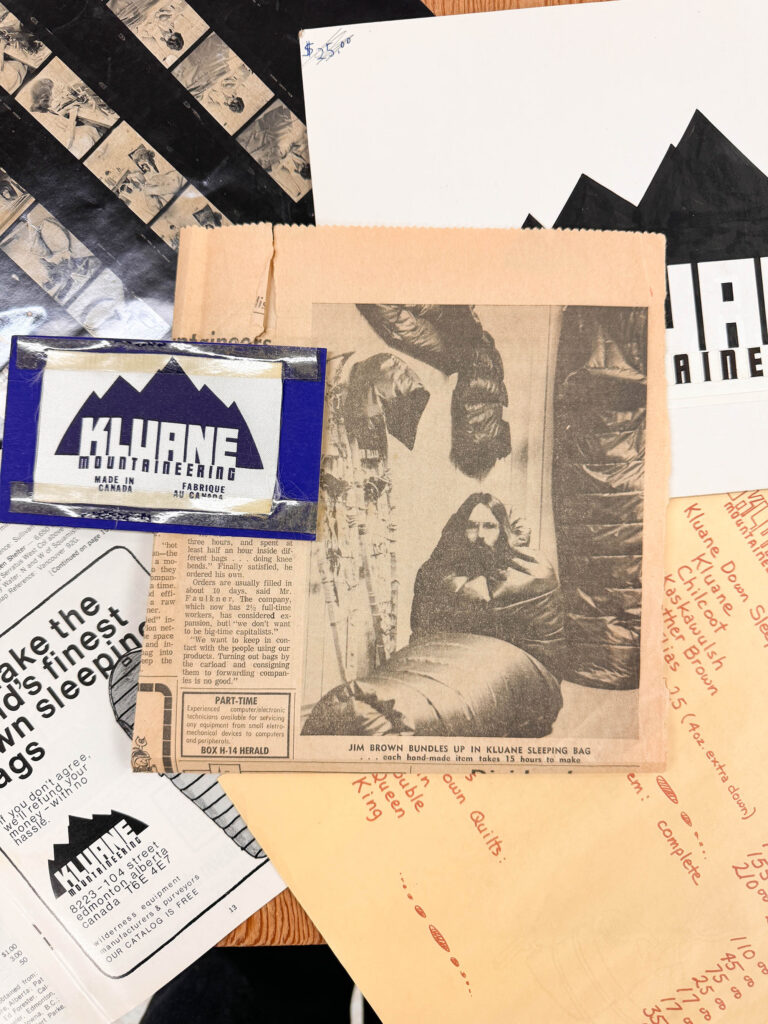
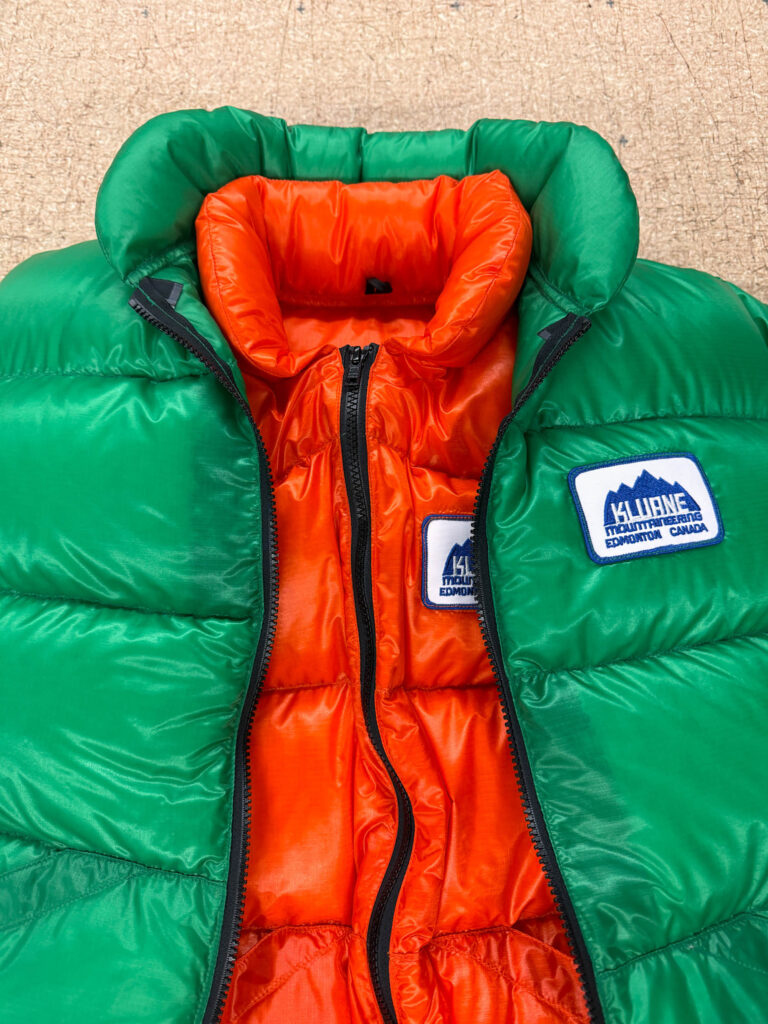
Let’s talk about the Kluane logo, as it’s an absolute beauty, is there an equally impressive origin story behind it?
I have the original hand made logo in the shop, it’s collaged together and drawn with a sharpie. I love that such an iconic logo started in the way a lot of things in our shop start: kind of thrown together and home made. John really has an eye for graphic design and graphic layout. Our old catalogs are all super beautifully laid out, he was a very talented designer even if he probably wouldn’t call himself that.
Final question, why do you think down jackets are so damn cool?
Warm, cozy, functional, cute, nostalgic, iconic, life-saving.